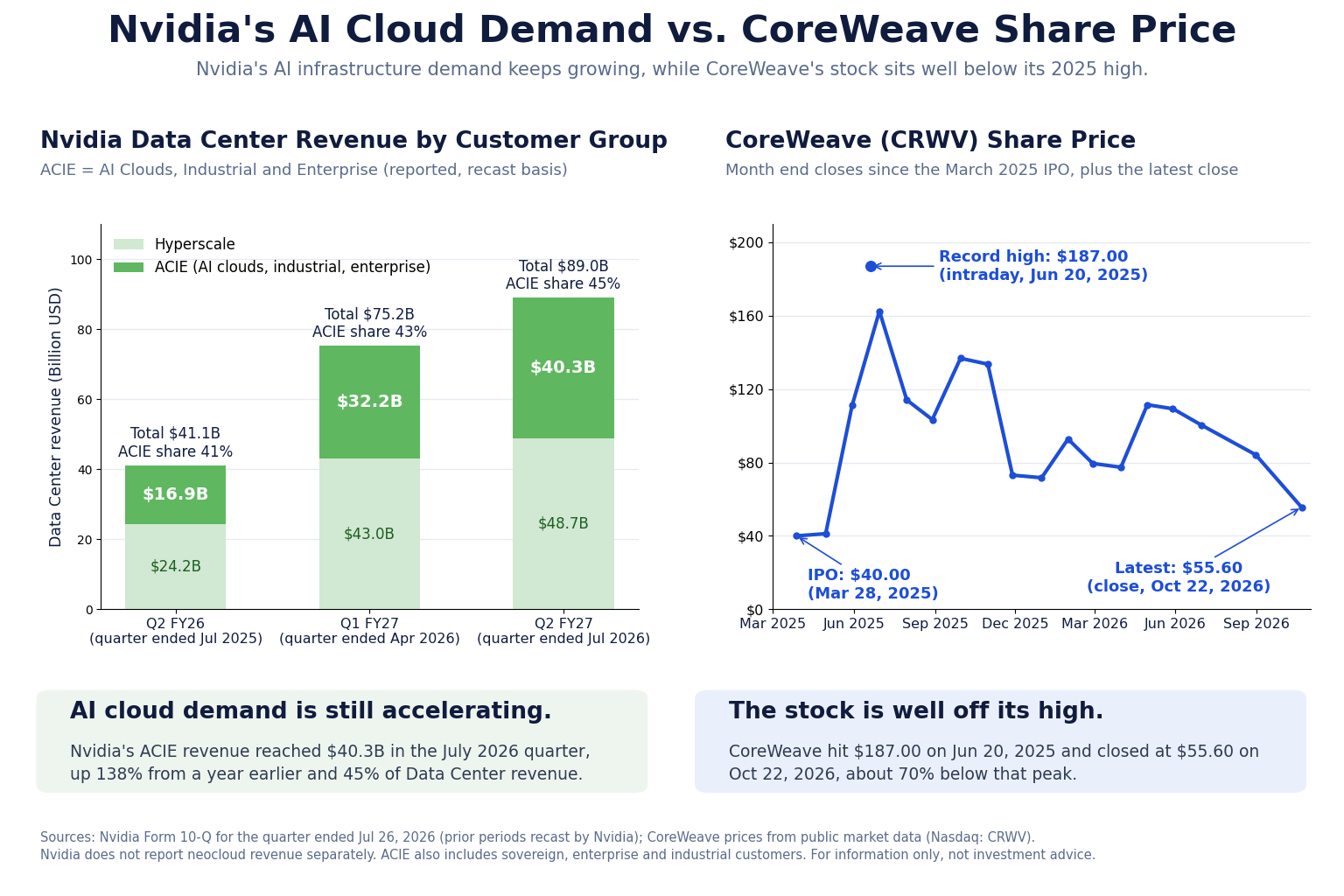
Nvidia neocloud demand is “off the charts,” according to Jensen Huang, who spoke with CNBC at GTC Berlin on Thursday. He also took on fears of a memory glut. His message on both was that demand is strong, though investors should remember he runs the company selling into both markets.
Memory: no glut in sight
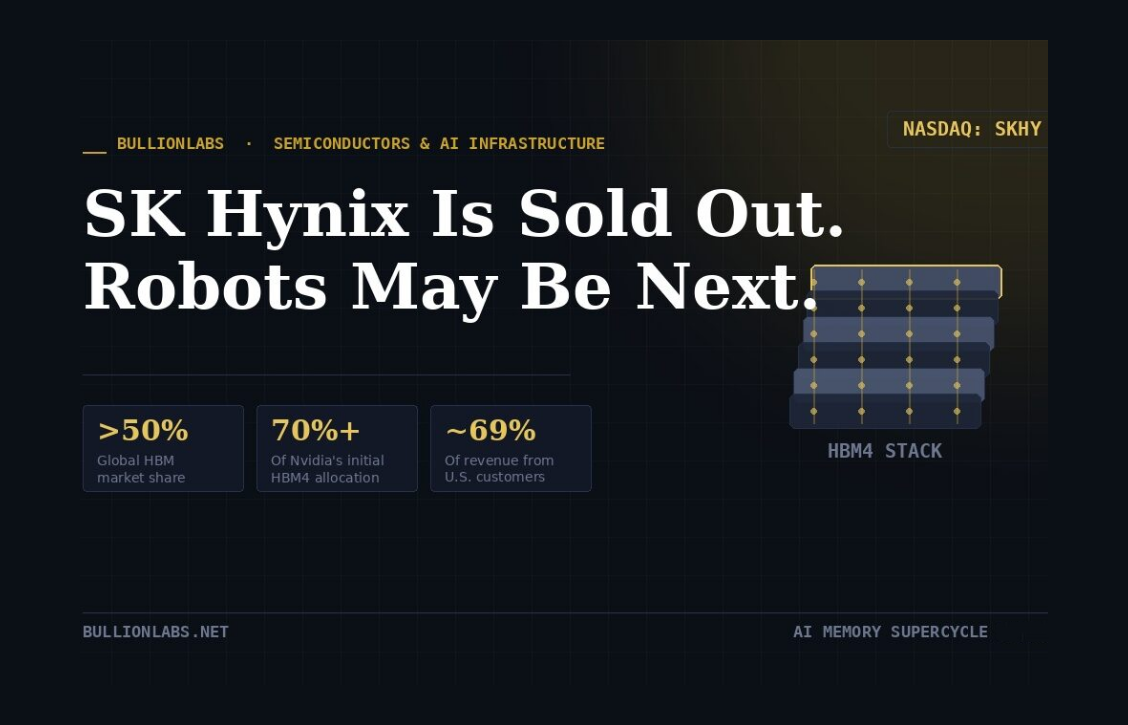
Huang said a surplus of memory supply is unlikely by 2029, despite a sell off in memory stocks over the past week. SK Hynix, Samsung and Micron took a hit after a South Korean opinion column warned of a “red ocean” of excess supply, meaning tougher competition and slimmer profits. The selloff was also driven by China’s CXMT announcing a new design architecture that could lead to greater efficiencies. Nvidia’s Jensen Huang says he sees no sign of a 2029 memory glut: ‘You can always use more’ +2
Huang’s answer was simple: memory is something you can always use more of. He said HBM will stay in use for many years and that Nvidia plans to keep using large amounts of LPDDR, the memory type found in phones, in data centers. He said that LPDDR approach delivers performance at half the energy per unit of work of any alternative. Jensen Huang pushed back on 2029 memory glut fears amid stock selloff +2
Asked about CXMT specifically, he said Nvidia is open minded and noted that nearly the whole world works with Chinese companies somewhere in the supply chain. He also said U.S. regulations have accelerated China’s efforts to build domestic chips.
The takeaway for investors: a glut call is really a supply call. Huang is a big buyer vouching for demand, but the bear case rests on new capacity, including from Chinese producers. Memory has always been a cyclical business, and one CEO’s forecast three years out does not change that.
Nvidia neocloud demand: money is the bottleneck
On the neocloud side, Huang said the demand for neoclouds is off the charts and their capabilities are extraordinary, but the working capital to fund that growth is missing. In his words, the demand for capital is much greater than its availability, and he expects that to get solved. He framed it as a scarcity of capital rather than weak demand, because so many AI sectors are competing for the same money. Nvidia’s Jensen Huang Wants AI Chips To Be A ‘Financeable Asset,’ Says Neocloud Demand Is ‘Off The Charts’ +2
He also pointed to a second constraint. Power is a limiting factor, especially in Europe where electricity costs more, and he argued scarce power should go to companies like Nebius and Mistral if they are to scale.
The market was not reassured. Ahead of Thursday’s open, Nebius fell 3.6%, CoreWeave slipped 4%, and Iren and Applied Digital each dropped nearly 4%. CoreWeave shares are down 50% over six months, even as Nvidia invested another $2 billion in the company in January.
Huang’s bigger pitch is about financing itself. He said Nvidia is trying to establish its compute as a financeable asset, because its residual value is durable enough to become an asset class. If lenders buy that, the capital gap narrows. If they do not, the gap stays.
The other side of the story
Critics see a circular loop. The Information reported that Nvidia is increasingly acting as lender and backstop for the neoclouds that buy its chips, that its AI Compute Partnership is being restructured after established neoclouds such as Nebius pushed back, and that its credit default swap spreads have roughly doubled in recent months, though its credit rating remains near the top.
One widely shared critique compares Nvidia to GE Capital rather than Enron, arguing that its customers are driven by fear of missing out and that its growth requires perpetual acceleration. That is an opinion piece, not a finding, but it names the risk. Huang himself said in April that these neoclouds would not exist without Nvidia’s support.
What I am watching
First, whether lenders accept GPUs as collateral worth financing, since that is the stated fix for the capital gap. Second, credit signals around Nvidia and the neoclouds, such as spreads and bond pricing, which often move before equities do. Third, how fast new memory supply actually arrives compared with what Huang expects.
Huang can be right about demand and investors can still lose money if the financing breaks first. Strong demand does not guarantee that every company serving it survives its debt.